April 2026
Surgical conditions account for nearly one-third of the Cambodia’s disease burden, yet only about 1 in 3 people who need surgery receive it. Hospitals lack essential equipment and trained specialists, and out-of-pocket costs push many families into financial hardship.
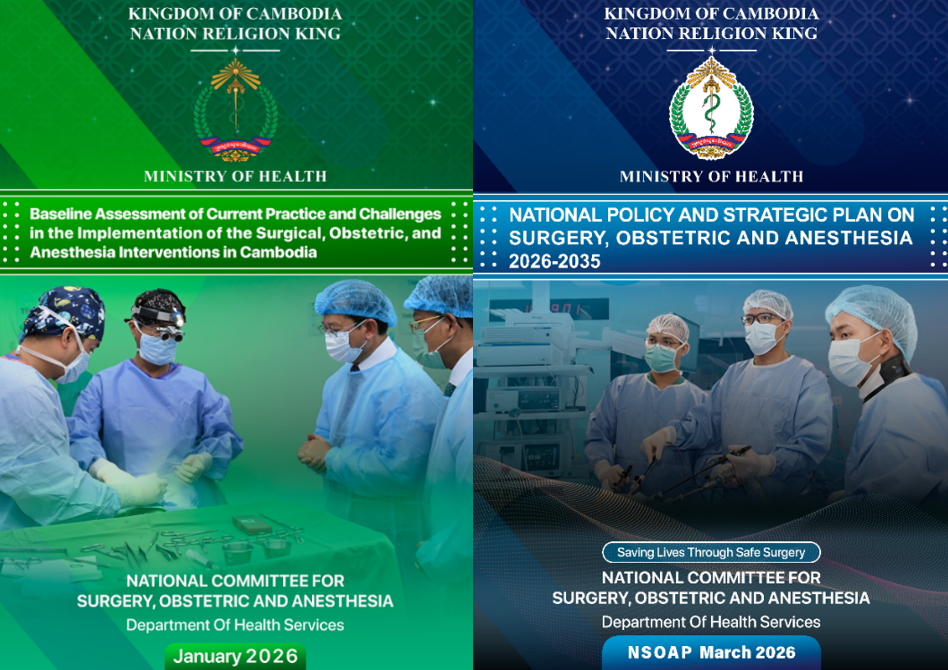
Data Impact partnered with Cambodia's MoH to conduct two analyses that shaped the country's first National Surgical, Obstetric, and Anesthesia Plan (NSOAP) 2026-2035. The first was a comprehensive baseline assessment of surgery, obstetrics, and anesthesia services nationwide. The findings were stark: only 28.6% of surgical needs were being met, operating theatre density was less than half the global benchmark, and the specialist workforce stood at roughly one-third of the recommended level. The second was a data brief on perioperative mortality, drawing on both the facility-level survey and death notification data from Cambodia's national cause-of-death reporting system.
Both analyses were shared with MoH leadership and key stakeholders, and their recommendations were incorporated directly into the NSOAP. In collaboration with the WHO, DIP facilitated regular working group meetings to translate evidence into actionable policy priorities. The plan was developed through a broad, inclusive process involving surgeons, provincial health leaders, professional societies, and international partners, ensuring it reflected conditions across the country, from Phnom Penh to the most remote provinces.
Following a national consultation workshop in January 2026, Ministry leadership advanced the plan for approval. On March 24, 2026, the MoH officially signed the NSOAP 2026-2035, and it was formally launched on April 2, 2026. The Royal Government of Cambodia has already committed over US$18 million to strengthen surgical and emergency services, upgrade hospitals and intensive care units, and invest in essential equipment. The plan sets a clear, phased roadmap to expand access, build workforce capacity, reduce financial barriers, and improve the quality and safety of care for all Cambodians.