August 2026
In 2023, Dr. Noel Gahamanyi was volunteering on research projects at the Research, Innovation and Data Science Division of the Rwanda Biomedical Centre (RBC) when the opportunity to participate in the Data to Policy (D2P) program arose. Having completed his doctorate studies on antimicrobial resistance (AMR) using a One Health approach, Dr. Gahamanyi wanted to explore Rwanda’s AMR challenges from multiple perspectives. He convened a multidisciplinary D2P team to examine options to reduce AMR in Rwanda.
AMR occurs when microorganisms develop the ability to survive medicines that once effectively treated them. Globally, bacterial AMR was associated with more than four million deaths in 2021, including 1 million deaths directly attributable to bacterial AMR. Long hospital stays, treatment failure and greater reliance on more expensive and less accessible antimicrobials can result from AMR. Processes such as surgery, organ transplantation and cancer treatment become riskier. The misuse of antimicrobials is among its main drivers.
Dr. Gahamanyi and his colleagues presented their policy brief, “Cost-Effectiveness Analysis of Policy Options to Address Antimicrobial Resistance in Rwanda,” to stakeholders, including the Director General of RBC. Since then, Rwanda has implemented many of the team's recommendations, including strengthening the One Health response, expanding laboratory capacity, supporting antimicrobial stewardship and raising awareness of AMR.
Strengthening a One Health approach to AMR
Resistant microorganisms and antimicrobial use are interconnected across people, animals, food systems and the environment. The D2P team recommended strengthening Rwanda’s One Health approach to deal with AMR, bringing together the fields of human, animal and environmental health. Aligned with this approach, RBC collaborates with the veterinary and environmental health sectors.
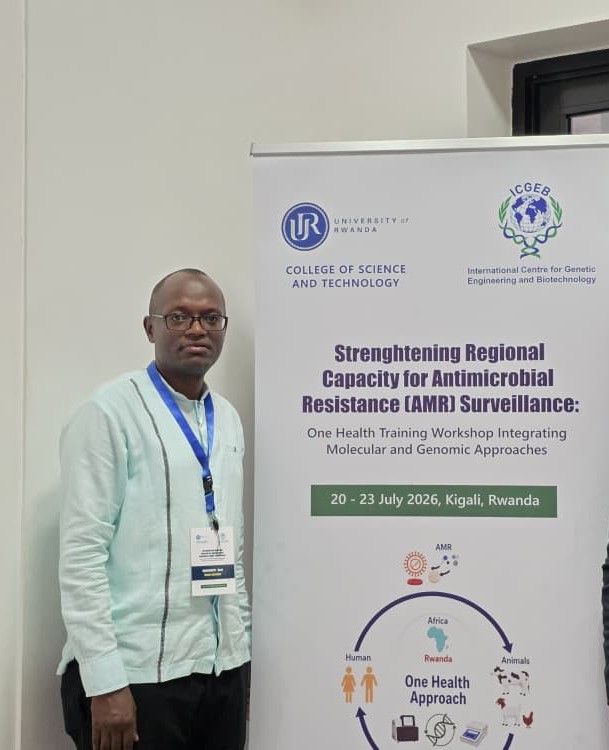
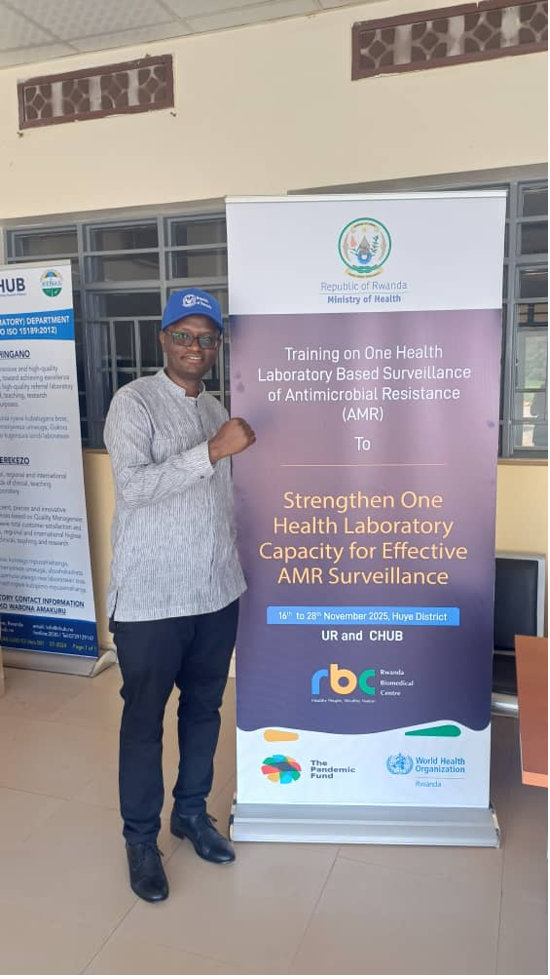
Together, the three sectors developed training materials covering AMR, biosafety, and infection prevention and control. A 2025 training convened hospital- and veterinary laboratory professionals to address AMR surveillance gaps and strengthen skills in biosafety, microbiological diagnostics and antimicrobial susceptibility testing. The One Health approach is also woven into Rwanda’s second National Action Plan for AMR. Additionally, in July 2026, Dr. Gahamanyi co-organized a workshop on strengthening regional capacity for AMR surveillance. Rwanda is now working to develop a standardized system to share AMR data across human, animal and environmental health sectors, providing decisionmakers with a more comprehensive picture of resistance patterns.
Expanding laboratory capacity
Prescribing an antibiotic without evidence of its effectiveness can fuel AMR and worsen a patient’s outcome. In 2023, only four hospitals in Rwanda had the capacity to identify bacteria and perform antimicrobial susceptibility testing before prescribing an antibiotic. Today, following the implementation of the D2Pteam’s recommendations, there are 19 bacteriology labs in hospitals across the country. Doctors can now identify the bacteria infecting a patient and prescribe an effective antibiotic, reducing antibiotic misuse.
New equipment further streamlines the testing process. Rwanda introduced six automated BACT/ALERT blood culture systems across its laboratory network to improve the diagnosis of bloodstream infections in humans. The systems can detect bacterial growth faster, enabling clinicians to identify infections and initiate treatment sooner. Earlier and more accurate diagnosis can help reduceunnecessary antibiotic use, support antimicrobial stewardship and supportefforts to curb AMR.
Bacterial identification and antimicrobial susceptibility testing are automated in five bacteriology laboratories serving human health and one laboratory supporting veterinary medicine. By using VITEK machines across both sectors, public and veterinary health professionals generate comparable laboratory results, making it easier to monitor and interpret patterns of antimicrobial resistance across human and animal populations. This shared approach also supports collaboration between sectors and helps clinicians and veterinarians match bacterial infections with the most effective antibiotics, contributing to more targeted treatment and reducing the risk of AMR to both people and animals.
Building awareness around AMR
Dr. Gahamanyi and co-authors also recommended raising awareness of AMR and how to prevent it. RBC developed educational materials and trained more than 200 laboratory professionals. RBC also collaborated with other government partners for World Antimicrobial Resistance Awareness Week (WAAW) 2025, during which they engaged hundreds of students, educators and healthcare professionals through events at universities and teaching hospitals. They shared information on radio and TV programs to raise awareness of the threat of AMR and promote responsible use of antimicrobials.
From evidence to action
Rwanda's experience illustrates how evidence generated through the D2P Program can contribute to broader efforts to strengthen health policy and practice. The recommendations developed by Dr. Gahamanyi and his colleagues provided leaders with evidence on AMR interventions. For Dr. Gahamanyi, participation in the D2P program has also shaped his professional work. He is now the Director of the Microbiology Unit of the National Reference Laboratory at RBC, where he supports quality assurance of bacterial diagnosis across Rwanda’s laboratory network.
His journey from AMR researcher and D2P participant to national laboratory leader reflects the broader goal of data-to-policyinitiatives: ensuring that scientific evidence informs decisions, strengthens systems and improves health outcomes.